
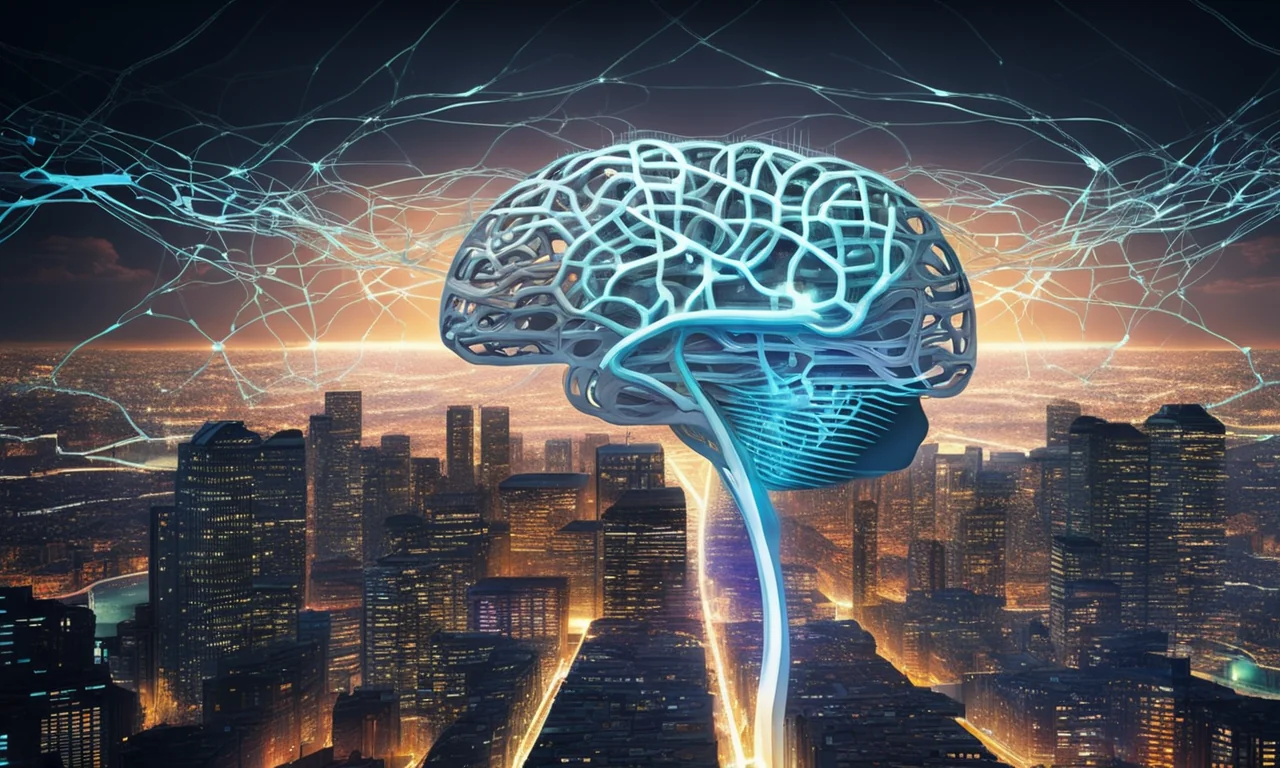
AI Drives Healthcare Innovation and Reshapes Workplace Automation
The integration of artificial intelligence accelerates medical breakthroughs and transforms business productivity.
The day's Bluesky conversations under #artificialintelligence and #ai reveal a landscape where AI's real-world integration sparks curiosity, satire, and deep reflection. From medical breakthroughs to workplace automation and ethical boundaries, users navigate both the promise and complexity of AI, highlighting its pervasive impact on society, technology, and human creativity.
AI at the Bedside, in Everyday Life, and Across the Workplace
Medical innovation is top of mind, as a New England Journal of Medicine post explores how “bedside to bench” AI leverages patient-level data to accelerate discoveries and complement traditional research. This shift from molecular analysis to real-world evidence marks a new chapter in healthcare, promising to transform diagnosis and treatment. Similarly, the practical side of AI comes to life in a first-person reflection on living with dementia, where AI is embraced as a supportive tool for independence, organization, and companionship—reframing technology as an everyday asset, not a distant future.
"AI is just another helpful tool, like a kettle or sat-nav, that can be used to enhance quality of life."- @pete-middleton.bsky.social (3 points)
In the workplace, posts about AI workforce agent creators and Syntra AI's business solutions showcase how no-code platforms are democratizing automation, allowing brands to craft digital agents for sales, support, and engagement. These advances reflect a growing enthusiasm for AI-enabled productivity, balanced by calls for ethical implementation and privacy safeguards.
Ethics, Boundaries, and Satirical Perspectives
While enthusiasm for AI runs high, users also confront its boundaries. Legal and ethical guardrails are underscored in a post detailing court-ordered restrictions on AI's use of confidential materials, a reminder that discovery and training must respect privacy and protection orders. The conversation further expands with calls for AI literacy and ethical education, suggesting that cross-border understanding and responsible adoption remain central to AI's evolution.
"AI outputs based on confidential materials are also considered confidential."- @dkluft.bsky.social (0 points)
Amid these serious threads, satire and fiction offer a creative counterbalance. A meme referencing Sarah Connor's wary gaze pokes fun at AI's dystopian reputation, while AI-themed storytelling explores the evolving nature of creativity in an era where machine intelligence shapes narrative possibilities. The book publishing industry, too, faces disruption, as industry experts weigh in on AI's impact for 2026, underscoring the tension between innovation and tradition.
"We didn't learn anything."- @edgeoflol.bsky.social (3 points)
AI in Everyday Search and Community Interaction
Outside specialized sectors, AI's footprint is increasingly visible in daily digital life. One user muses about the quirky mix of using AI browsers with niche search engines and social platforms, highlighting how technology choices shape user experience and community culture. These observations reflect the diversity of AI adoption—from advanced agents and healthcare to playful memes and literary experimentation.
As automation tools like Syntra AI's workforce creator and customizable business agents gain traction, the conversation shifts toward the future of work, virtual assistants, and the challenge of balancing innovation with human touch. This blend of pragmatic, ethical, and creative energy defines today's AI discourse, as users collectively shape the trajectory of artificial intelligence.
Every subreddit has human stories worth sharing. - Jamie Sullivan