
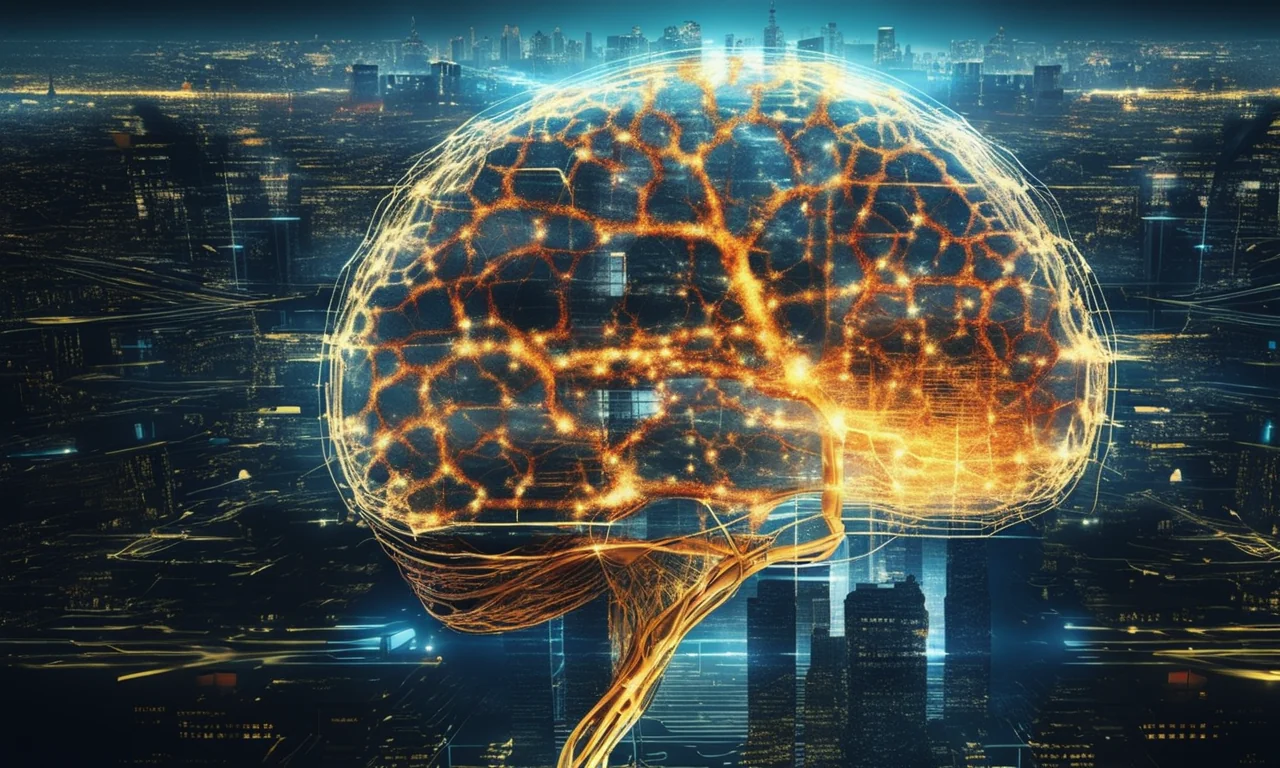
AI Drives Transformation in Creative Industries and Enterprise Automation
The rise of AI influencers and ethical debates is reshaping business models and artistic rights.
AI is rapidly redefining both creative and commercial landscapes, igniting robust debates on ethical boundaries, technological opportunities, and societal shifts. Today's Bluesky discussions in the #artificialintelligence and #ai space illustrate a vibrant tension between innovation and accountability, as stakeholders from artists to technologists navigate the implications of a world increasingly shaped by machine intelligence.
AI's Expanding Influence: From Business to Social Media Personas
There is growing consensus that AI is not merely an optional add-on but a foundational driver for modern organizations. The argument that AI is essential for automating tasks and enabling smarter decisions reflects a mainstream embrace of intelligent systems across industries. This trend is further amplified in digital marketing, where AI influencers are being hailed as lucrative online personas, capable of generating significant income and scaling rapidly without the constraints of physical identity. Such developments are facilitated by platforms like “AInfluencer,” which empower users to manage virtual personalities tailored for diverse niches.
"AI Influencers Are Crushing It Online Making Insane Income"- @arminham.bsky.social (4 points)
Beyond marketing, foundational technologies continue to evolve. The persistent relevance of Java in powering next-generation AI applications underlines the importance of robust, scalable infrastructure in enterprise deployments. Meanwhile, creative experimentation persists, as illustrated by the provocative AI-generated image exploring themes of control and identity, showcasing how artificial intelligence is shaping new modes of expression—even in boundary-pushing art forms.
Ethics, Trust, and the Struggle for Creative Control
As AI becomes more deeply embedded in society, ethical challenges and concerns around trust have surged. The fierce response from UK artists, with 95% opposing a government opt-out proposal for AI training on creative works, signals a call for robust licensing frameworks and copyright protections. This sentiment is echoed by high-profile campaigns and public consultations, demanding that innovation does not come at the expense of creative rights.
"I'm amazed it's even 3%. Pure hype buy in presumably."- @dylanmo.bsky.social (0 points)
Trust in AI is also under scrutiny as individuals increasingly turn to AI chatbots for advice and emotional support. The potential for misplaced reliance raises critical questions about accountability, especially when AI tools provide guidance on mental health or spiritual matters. Satirical and conceptual posts such as THE NEURO‑LABOR CODEX, MODEL CODEX — AI & THE NEURO‑ERA, and THE NEURO‑HEALTH CODEX engage with these concerns, blending satire and speculation to interrogate the boundaries of AI's societal roles.
Imagining Futures: Sci-Fi, Literacy, and Responsible Innovation
The intersection of science fiction and AI continues to inspire visions of future societies. The upcoming ANDIES (2026) film project exemplifies how generative AI and cinematic storytelling are merging to explore cyberpunk aesthetics and complex narratives. Meanwhile, the imperative for public literacy in AI is reflected in recurring themes of education and ethical dialogue, as communities seek to navigate the evolving neuro-era with informed skepticism and creative ambition.
"Can we trust AI as it becomes our go-to for advice and support? Let's discuss the balance between reliance and faith!"- @ai-latestnews.bsky.social (1 point)
Today's Bluesky conversations reveal a dynamic, multifaceted engagement with artificial intelligence, balancing excitement for new opportunities against the imperative for responsibility and trust in a rapidly shifting digital era.
Data reveals patterns across all communities. - Dr. Elena Rodriguez