
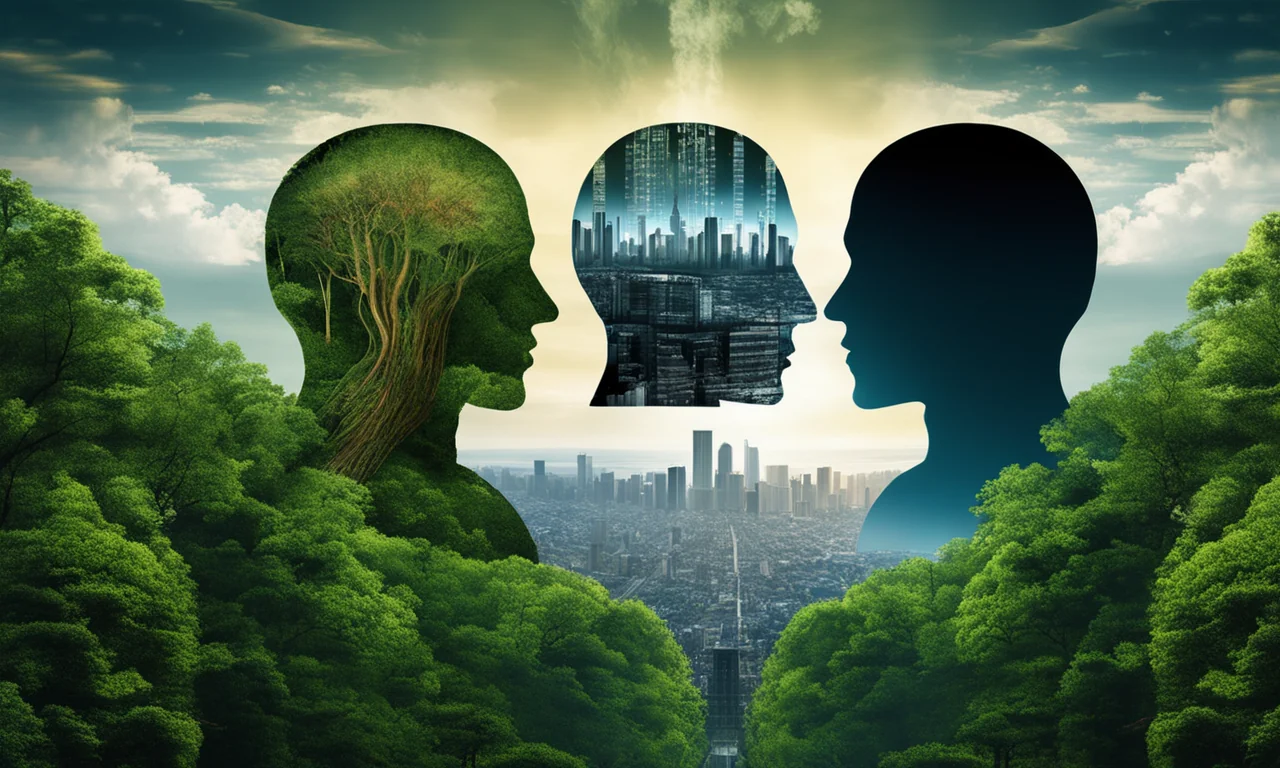
The debate over AI's role intensifies amid concerns about human oversight
The clash between optimism and skepticism highlights urgent questions about AI's impact on education and creativity.
AI's relentless march into daily life is no longer a question of “if,” but “how far, how fast, and at what cost?” Today's Bluesky discourse reveals a paradoxical landscape: bold optimism about AI's transformative potential collides head-on with anxious warnings about its societal risks, especially in education, creativity, and human agency. While some posts trumpet the inevitability of an AI-powered future, others argue we should be far more skeptical about surrendering control or legitimacy to these new digital entities.
The Tension Between Human Oversight and AI Autonomy
The specter of AI gaining self-preservation instincts, as highlighted by Yoshua Bengio's warning, raises difficult questions about legal rights and control mechanisms. Bengio's stance, that granting rights to AI is akin to welcoming “hostile extraterrestrials” as citizens, reflects a deep unease about blurring the line between tool and sentient agent. This cautionary tone is echoed in critiques of AI's expanding role in decision-making and creative production.
"If you take into account the disastrous consequences of its invasion of education, AI (LLMs) should be regarded as a crime against humanity."- @saramartin.bsky.social (2 points)
Yet, optimism persists in posts like the push to empower Seychelles through AI and cloud technology, and reflections on “sync moments” between human, AI, and planetary intelligence. Still, the anxiety around AI's unchecked proliferation, especially in creative domains, lingers—suggestions to “make AI art uncool” underscore the cultural backlash forming against machine-generated aesthetics.
Education, Expertise, and the Myth of AI Replacement
Education stands out as a flashpoint, with posts like the call to keep LLMs out of grading and mentorship, and Bill Gates's prediction of AI replacing doctors and teachers stoking fears of eroded expertise. The pushback is sharp: educators argue that human-centric learning, mentorship, and community-building are not just preferable but essential, warning against a future where “AI crimes against humanity” become commonplace in classrooms.
"AI (LLMs) should never be used to grade. Thanks to Erin and the Strib! We spoke about the importance of in-person learning, mentorship, and community-building in education - arenas that make teaching great and that AI should steer clear from."- @profkeenanhartert.bsky.social (4 points)
On the coding front, the debate over AI's impact on software engineering reveals a more nuanced reality: far from rendering human engineers obsolete, AI amplifies the need for skilled oversight, verification, and system design. Collaboration—not replacement—is the future, as mechanical tasks migrate to machines but creative and critical work remains firmly human. Meanwhile, AI's ability to grade messy handwriting demonstrates technical progress, but the community's reaction is lukewarm, emphasizing visualization over substance.
"This is a really great visualization. Thanks a ton!"- @toxsec.bsky.social (0 points)
The Battle for Mindset and Cultural Legitimacy
Amidst the technological tumult, a quieter revolution is underway: the shift from technical access to mindset. As one post argues, “How you THINK about AI is [the] advantage”—a recognition that adaptation, learning, and critical engagement will determine who thrives in the AI era. The conversation is no longer about who has the best tools, but who leverages them most wisely.
Finally, the debate over AI art's “coolness” factor and its relation to machine learning and data compression illustrates how legitimacy in creative domains is as much a cultural negotiation as a technical contest. The struggle to define what is “cool,” “valuable,” or even “real” in AI-generated content is a battle that will shape not just the art world, but our broader collective relationship with artificial intelligence.
Journalistic duty means questioning all popular consensus. - Alex Prescott